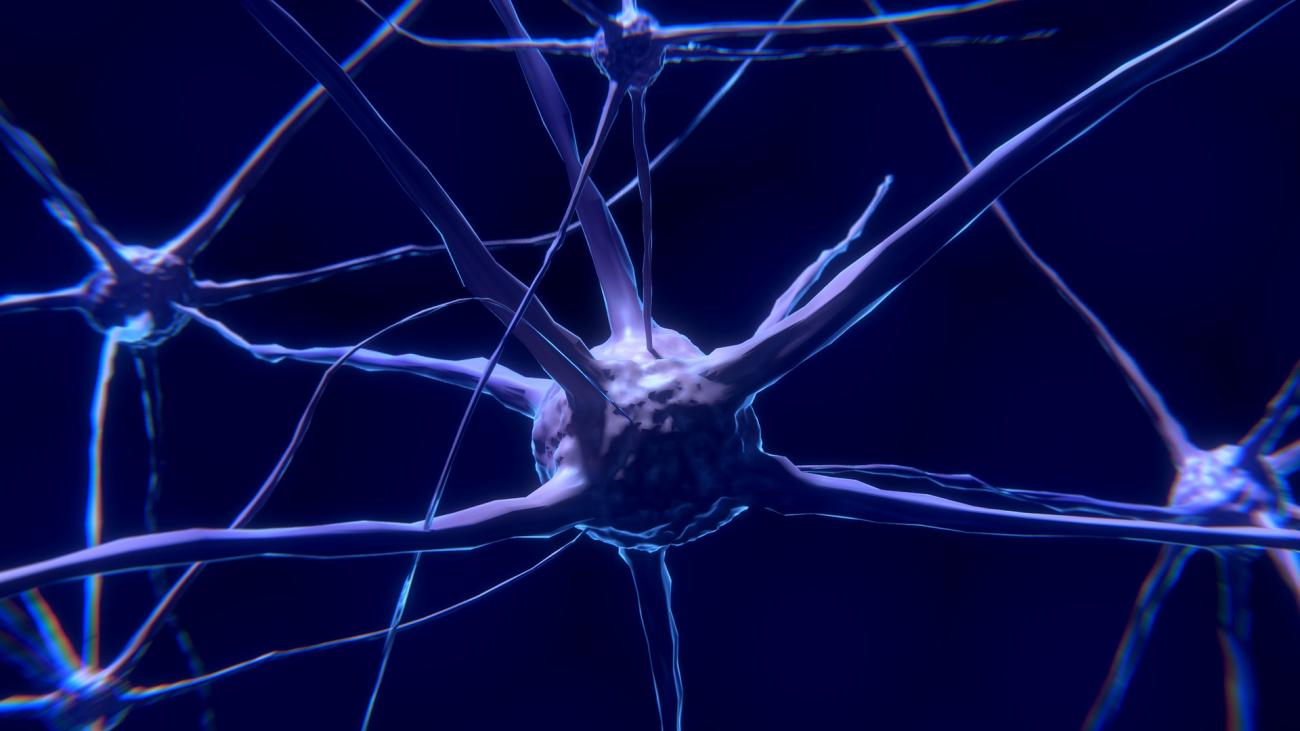
Fire together, wire together, and stay together: developing and maintaining visual circuits
The brain is an astoundingly complex biological machine, comprised of tens of billions of neurons and trillions of synapses. To function properly, precise connections between neurons must be established during development and reshaped in response to experience to generate circuits best-suited to the organism’s environment. The big question my lab asks is: How is precise neuronal connectivity achieved? To answer this question, my lab has used the mouse visual system as a model because of its well-studied organization and function, accessibility for experimental manipulation, and genetic tractability. We use histology, neuronal tracing methods, in vivo electrophysiology, and behavioral methods, combined with powerful genetic tools, to interrogate circuits from molecular, anatomical, and functional perspectives. In this talk, I will discuss our work on how integrative visual circuits in the midbrain are wired. The superior colliculus receives visual inputs from retinal ganglion cells in the eye and layer 5 neurons in primary visual cortex. Each of these inputs is organized topographically and in register, such that neighboring neurons monitor adjacent regions of visual space. Our data suggest that distinct activity dependent processes mediate the development and maintenance of converging visual inputs, each of which are executed by different molecular pathways. Furthermore, our unpublished findings suggest that development and maintenance of such alignment is critical for the execution of survival behaviors regulated by the superior colliculus.
Dr. Jason Triplett is the Associate Director of the Center for Neuroscience Research at Children’s National Hospital.
NACS Seminars are free and open to the public.