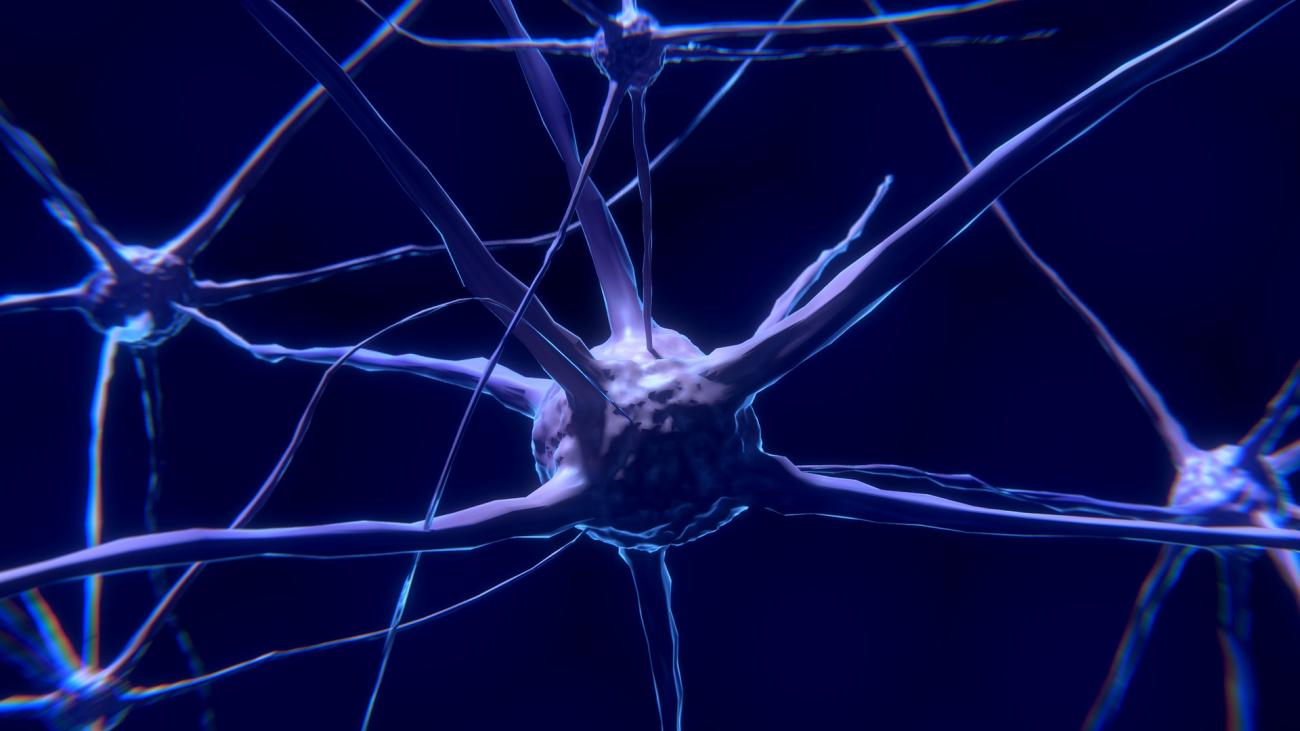
Beyond the Active Zone - Membrane Contact Sites Organize Presynaptic Calcium and Synaptic Vesicle Mobilization.
Neurotransmitter release depends on exquisitely organized calcium signaling within presynaptic terminals. Although much is known about calcium entry at active zones and its role in triggering synaptic vesicle fusion, considerably less is understood about how calcium is distributed among intracellular organelles or how these signals support sustained neurotransmission. The endoplasmic reticulum (ER) forms an extensive network throughout axons and establishes membrane contact sites with the plasma membrane, mitochondria, and other organelles, positioning it to coordinate these processes.
In this talk, I will discuss our recent work identifying ER–plasma membrane contact sites organized by the ER-resident proteins VAPA and VAPB and voltage-gated Kv2 potassium channels as an important component of presynaptic calcium signaling. We find that disrupting VAP–Kv2 interactions strongly impairs activity-dependent calcium uptake by both the ER and mitochondria while having surprisingly little effect on bulk cytosolic calcium signals. These changes are accompanied by a marked reduction in sustained synaptic vesicle exocytosis, arising primarily from impaired mobilization of vesicles from reserve pools into population available for release.
Together, our findings support a model in which Kv2–VAP membrane contact sites organize a spatially restricted presynaptic calcium pathway outside the active zone that couples neuronal activity to organelle calcium handling and synaptic vesicle availability. More broadly, this work suggests that presynaptic terminals rely not only on calcium channels positioned near release sites, but also on an intracellular architecture that directs calcium among organelles to sustain neurotransmission during repetitive activity.
Dr. Mike Hoppa is an Associate Professor at Dartmouth University.
NACS Seminars are free and open to the public.